Ledger.com/start – Building Your First Real Crypto Safety System
Buying cryptocurrency for the first time often feels empowering. You purchase coins, watch prices fluctuate, and start learning about the broader blockchain world. But many new users don’t realize something crucial: until you personally secure your private keys, your crypto is not fully under your control. Most beginners unknowingly leave this responsibility to exchanges or apps, trading convenience for vulnerability.
This is why ledger.com/start exists. It provides the official entry point into real crypto ownership through Ledger hardware wallets. More than a typical setup page, it functions as a guided security environment where new users learn how to take control of their digital assets safely and correctly.
For anyone moving beyond basic trading apps into long-term crypto storage, understanding ledger.com/start is not optional—it is foundational.
Self-Custody: The Real Meaning of Crypto Ownership
At its core, cryptocurrency ownership revolves around a simple rule: whoever controls the private keys controls the money. There is no middleman authority with override powers. There is no account recovery hotline. Transactions on blockchains are final by design.
When crypto remains on an exchange platform, users rely on that company’s custody services. While this makes trading easier, it introduces external risks: cyber breaches, withdrawal restrictions, regulatory freezes, or business failure.
Hardware wallets remove those risks by placing the private keys under your direct control. Ledger wallets generate and store keys offline inside high-security chips that never connect to the internet. Transactions must be physically approved on the device itself.
Ledger.com/start walks users into this system carefully, ensuring the security fundamentals are understood and applied from the beginning.
What Ledger.com/start Guides You Through
Ledger.com/start simplifies the onboarding experience into an organized process that removes intimidation and guesswork.
Step One: Ledger Live Setup
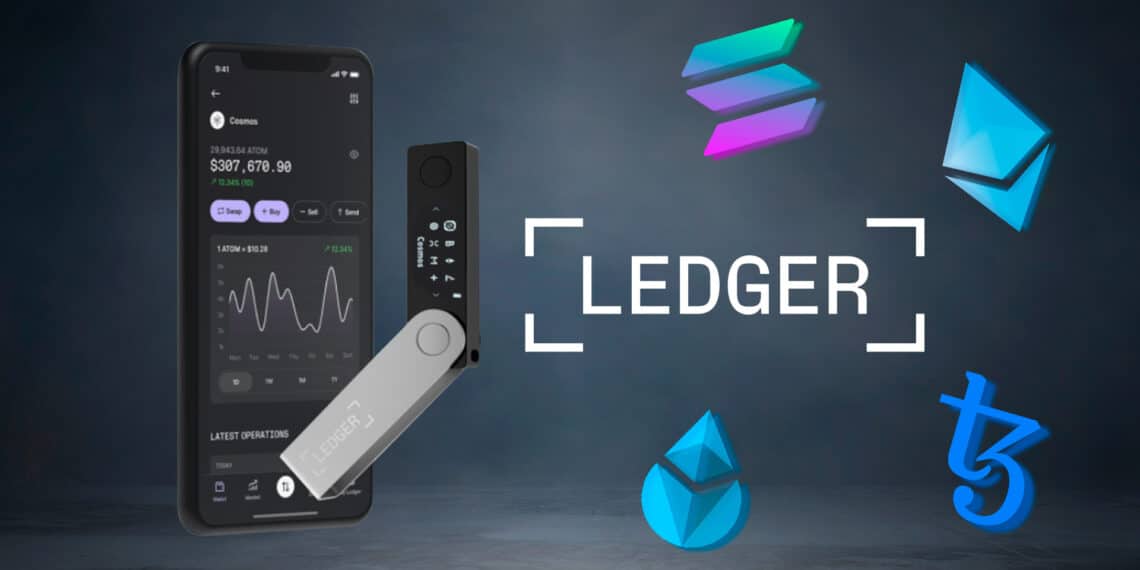
Your first action is installing Ledger Live, the companion software for managing your wallet. This interface lets you observe balances, install blockchain apps, and prepare transactions, all without holding your private keys.
Ledger Live is a viewer and messenger—not a vault.
Step Two: Wallet Creation
The Ledger device itself generates a unique wallet identity in the form of a recovery phrase. This series of words is the cryptographic base of your entire wallet system.
These words are generated inside the hardware device, meaning they never appear on your computer or phone screen. Ledger.com/start instructs you to carefully record them offline. This record is not optional—it is the only recovery tool should your wallet ever be damaged, lost, or replaced.
Step Three: Verification
The device then tests your accuracy. You must confirm parts of the phrase word by word, ensuring no mistakes were made. Once confirmed, your phrase becomes your master safeguard.
Step Four: PIN Lock
To protect the physical wallet, you create a PIN code. Anyone attempting access without the PIN triggers data wipes after repeated failures. While the PIN guards the device itself, the recovery phrase guards the funds.
Ledger.com/start clearly explains the difference to prevent misunderstanding.
Understanding the App System
Ledger wallets work across many blockchains by using installable applications. Each blockchain has its own secure app installed directly on the device.
Removing or reinstalling apps does not delete funds since assets remain on their blockchains, not inside wallet storage.
This modular system keeps the wallet flexible while preserving its security model.
Everyday Use of Ledger
Receiving Cryptocurrency
To receive crypto, you generate an address through Ledger Live and confirm that address physically on your wallet screen. This ensures that no malware can secretly change a destination address during the copy–paste process.
Once confirmed and sent to the originator, your crypto transfers into your account after network confirmations.
Sending Cryptocurrency
When sending funds, you input transaction details into Ledger Live. The device then displays recipient addresses and amounts for physical verification. Only button approval allows the transaction to be signed and broadcast.
This physical step is the core of why hardware wallets remain among the most secure tools for crypto storage.
Learning Secure Habits Through Ledger.com/start
The onboarding experience does more than configure hardware—it instills long-term security habits.
Ledger.com/start teaches users to:
Read every instruction carefully
Confirm addresses before approval
Protect offline backups obsessively
Treat urgent crypto messages with suspicion
Security becomes a daily practice, not just a technical feature.
Why Recovery Phrases Carry Absolute Authority
The recovery phrase is not merely a backup code—it is total ownership.
Your crypto does not live on your device; it exists on blockchains. The device simply unlocks access to those funds. If the device is lost but your recovery phrase remains safe, your funds remain safe too—you simply restore on another device.
But if your recovery phrase falls into the wrong hands, your funds can be emptied immediately with no undo option.
This leads to two absolute rules:
Lose the phrase, lose everything.
Expose the phrase, lose everything.
Ledger.com/start communicates these truths upfront to prevent irreversible errors.
Avoiding Hard Lessons
Many crypto losses occur due to human mistakes rather than technology failures.
Common traps include:
Trusting fake wallet update alerts
Entering recovery phrases into phishing websites
Saving phrases in digital formats
Skipping transaction verifications
Rushing approvals without full review
By grounding users early, ledger.com/start dramatically reduces the chance of these costly experiences.
Growing Beyond Basic Storage
After gaining comfort with core functions, Ledger wallets expand into broader crypto ecosystems:
NFT management offline
Secure decentralized finance interactions
Multi-wallet portfolio setups
Long-term family crypto inheritance planning
Ledger.com/start supports a user journey that begins with fundamental ownership and gradually builds toward complex applications.
Why So Many Users Adopt Ledger
Ledger’s popularity stems from trust gained through consistency, transparency, and robust security architecture.
The onboarding structure of ledger.com/start makes professional-grade security achievable for everyday crypto participants without requiring advanced technical knowledge.
It transforms a complicated space into something accessible.
FAQ
What is ledger.com/start?
Ledger.com/start is the official onboarding page for configuring Ledger hardware wallets securely and installing Ledger Live.
Does Ledger store my private keys?
No. Private keys remain locked inside your hardware wallet and never leave the device.
What happens if my Ledger wallet fails or breaks?
Using your recovery phrase, you can restore your entire wallet on a new Ledger device or compatible wallet.
Will Ledger ever request my recovery phrase online?
No. Any website or message requesting your phrase is attempting theft.
Is Ledger Live required?
Yes. Ledger Live allows you to manage accounts, view balances, install apps, and broadcast transactions without holding custody of keys.